Bangladesh's Tainted Tables: Metrology Day Unmasks Regulatory Failures Amidst Food Adulteration Crisis
Beneath the veneer of a World Metrology Day celebration in Mymensingh, a stark and chilling reality was laid bare: Bangladesh's battle against rampant food adulteration is failing, leaving millions vulnerable to a silent public health crisis. While officials convened to discuss 'Metrology in Building Trust in Policy Making,' the true, unspoken agenda was a desperate plea to awaken a national conscience seemingly numb to the poison in our plates.
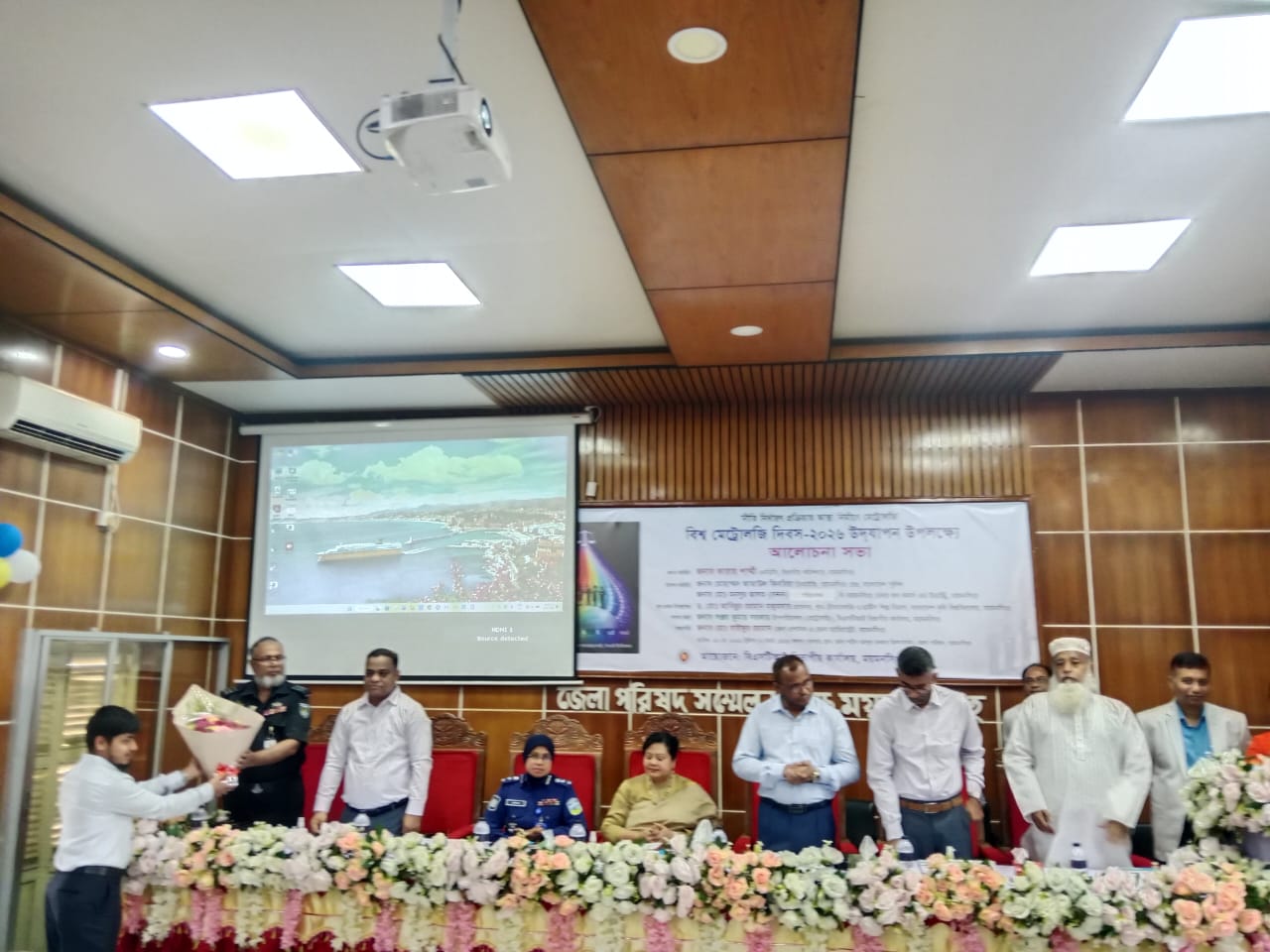
Beneath the veneer of a World Metrology Day celebration in Mymensingh, a stark and chilling reality was laid bare: Bangladesh's battle against rampant food adulteration is failing, leaving millions vulnerable to a silent public health crisis. While officials convened to discuss 'Metrology in Building Trust in Policy Making,' the true, unspoken agenda was a desperate plea to awaken a national conscience seemingly numb to the poison in our plates.
Dainik Jahan's preliminary findings suggest that the annual observance, spearheaded by institutions like the Bangladesh Standards and Testing Institution (BSTI), inadvertently highlighted the gaping regulatory chasm that allows unscrupulous businesses to thrive on public suffering. From contaminated staples to misleading product labels, the systemic failure in upholding basic measurement standards — the very bedrock of metrology — is not just an academic lapse; it's a betrayal of consumer trust, directly contributing to chronic illnesses and economic exploitation. This 'celebration' serves as a critical distress signal, demanding an urgent, uncompromising investigation into how decades of regulatory negligence and potentially compromised oversight have transformed our food supply into a hazardous gamble for every Bangladeshi family.